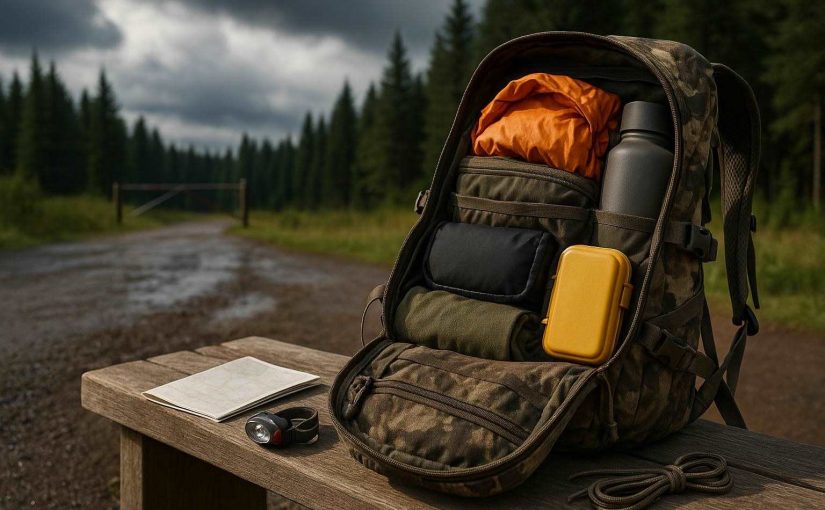
A boot lace snaps on the walk in the weather turns colder than expected. The phone holding your map is nearly empty before you reach the access point. None of these things is dramatic on its own.. Together they can turn a planned outing into a poor decision. A field gear audit catches failures early. Confirms that preparation matches the terrain, season and rules. The goal is not to carry everything. It is to carry what keeps you capable, legal and considerate when conditions change.
Start with the day you are actually planning
Gear choices depend on context. A short walk from a maintained access road has demands from a long approach through wet ground, steep country or unfamiliar public land. Before packing note the distance, daylight window, forecast, terrain, communication limits and whether you may need to handle an animal or pack out equipment. If any answer is plan for the harder reasonable version without turning your bag into a storage closet.
Prioritize navigation, weather protection, water, first aid, food, communication and a way to manage delays. A second accessory that performs the same job usually does not. Lightweight gear helps when it reduces bulk without removing a safety margin not when it replaces an item with something fragile.
Test failure points before the trailhead
Most field problems begin with small defects noticed too late. Inspect boot soles, laces, pack straps, zippers, stove components, headlamp switches and water containers. Charge batteries, then operate the devices you expect to use; a full indicator does not prove that a cable, button or connection works. If you carry a paper map confirm that it covers the area and protect it from moisture.
Do not take gear on a demanding outing for the first time. Try it at home or on a low-consequence walk rain layers, filtration systems, load-bearing adjustments and tools that require a particular technique. Gear that is awkward to deploy may be less useful than an item you can use quickly and correctly.
Decide what deserves redundancy
Redundancy should address likely, failures. A backup light makes sense when darkness could create a navigation or exit problem. A second communication method may help where coverage is unreliable. It should not encourage travel beyond your skills or justify ignoring a changing forecast. Extra batteries, dry socks and a basic repair method often weigh little compared with the trouble they prevent.
Avoid duplicating low-value items while overlooking a gap. Several cutting tools do not compensate for insulation missing identification documents or a dead navigation device. Ask of each item: What problem does it solve? How likely is that problem? Can I use it under stress, cold or low light? If the answer is vague leave it out. Choose something more dependable.
Keep safety practical not theatrical
Outdoor safety is about preserving options. Tell a person where you are going when you expect to return and what to do if plans change. Keep the route for the least prepared member of the group. Treat deteriorating weather, injury or fading light as reasons to reassess, not tests of determination.
First-aid supplies should match the outing and your knowledge. A compact kit is valuable only if you know what it contains and can use it. Include ways to manage minor injuries protect a wound and signal for help; seek appropriate training for situations beyond that scope. Specialized equipment can become a liability when its weight and complexity exceed your ability to use it.
Before leaving use this checklist:
– Confirm access information, season dates, license requirements and permitted methods.
– Check the forecast, daylight and practical route out.
– Test navigation, communication and lighting devices.
– Inspect footwear, pack, clothing and water system for damage or poor fit.
– Add food, water and insulation for an unplanned delay.
– Tell someone the route, vehicle details and return plan.
– Remove avoidable duplicates and place essentials where they are easy to reach.
Recheck rules at the source
Hunting regulations can. A rule that applied in one season, unit or land category may not apply elsewhere. Confirm requirements through the relevant official wildlife agency, land manager or other authoritative source. Check licenses, tags, legal equipment, species and sex restrictions reporting duties, access closures, fire rules and transport requirements. Keep confirmation in the accepted format but do not assume a saved document is current.
This is part of fieldcraft not paperwork detached from it. Season boundaries affect route planning, target identification and what you do when another person, dog or protected area enters the picture. If wording is unclear ask the agency before leaving rather than relying on a forum comment or old regulation photograph.
Let conservation shape the packing list
Good preparation includes the place you are entering. Pack out food wrappers, tape, broken cord and other waste. Use established access routes where required avoid disturbance around nesting or sensitive areas and keep camps, vehicles and fires within the land managers rules. Respect gates, private boundaries and seasonal closures even when a route appears convenient.
Conservation ethics also influence decisions after an opportunity appears. Know your identification limits, shooting or harvest limits where applicable and the conditions under which you will pass. A legal action is not automatically responsible if identification is uncertain recovery would be unlikely. The terrain makes a safe outcome doubtful. Preparation should make restraint easier not pressure you to use every opportunity.
Make the final decision at home
Lay everything out the evening before and hold each item to the plan. If a layer is too bulky to wear or pack comfortably change the clothing system than hoping the weather cooperates. If a tool has no place it may not have a clear purpose. If the route, forecast or regulations have shifted revise the outing of defending an old checklist.
A sound field gear audit is not about owning the advanced kit. It is a conversation, between the conditions, your abilities and the consequences of being wrong. Pack for problems you can reasonably foresee verify what can change and leave judgment to turn around when the day no longer supports a safe, lawful and low-impact plan.